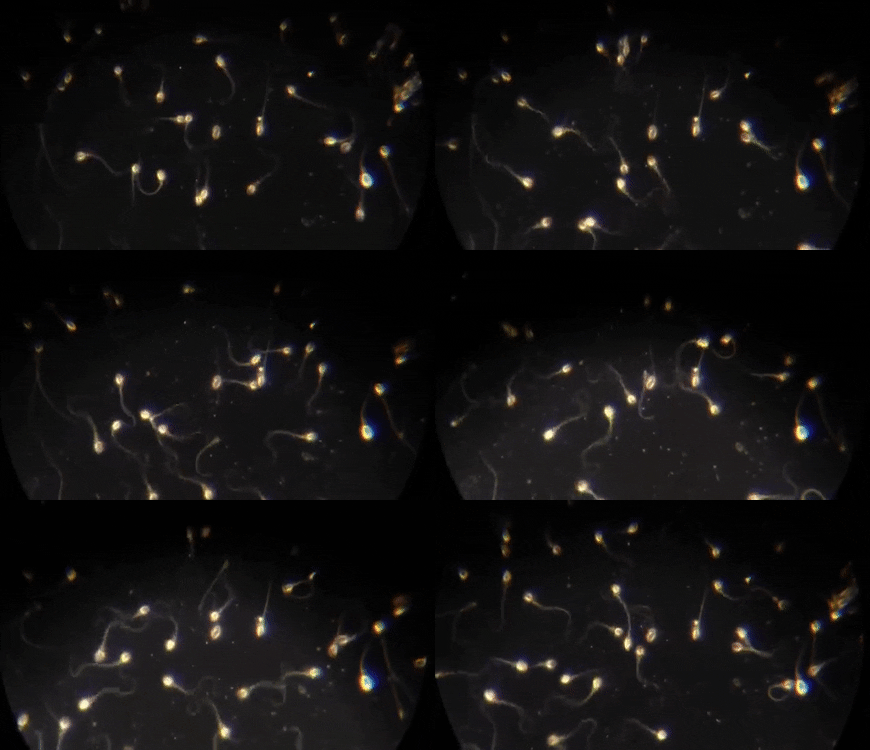
Male infertility is on the rise globally and unexplained male infertility is present in up to 40% of men with abnormal semen parameters.
Testicular biopsy can sometimes be part of the diagnostic process in infertile men, and often confirms a disturbance of spermatogenesis. In particular, it is important in the diagnosis of obstructive azoospermia: in these patients, surgical repair of the genital tract may be possible and, if successful, can result in the presence of spermatozoa in semen.
AI has become popular in the diagnostic setting and is being applied in all fields of medicine. However, the routine use of AI by clinicians in hospitals is still hampered by the need for major input from data scientists in the use of the technology.
This work is therefore significant because it is the first report of an AI algorithm that can be used for predicting fertility in men with precision, without having to rely on specialist pathologists and AI technology experts.
🎉
Name: DaddyO Description: Medical Imaging and Analysis Solutions. Country: United States Website: Daddyo.com Solution used: Custom software development
How does Artificial Intelligence assist in predicting male fertility?
AI algorithms analyze complex biological and clinical data to predict male fertility with high precision. By processing vast amounts of information regarding semen parameters and other relevant medical indicators, AI can identify patterns that are often missed by traditional methods. This capability allows for earlier and more accurate diagnosis of infertility, moving beyond reliance on specialist pathologists. 4Geeks utilizes advanced machine learning models to provide these predictive insights, streamlining the diagnostic process for men facing fertility challenges.
What is the role of AI compared to traditional diagnostic methods like testicular biopsy?
While testicular biopsy remains a crucial diagnostic tool for confirming disturbances in spermatogenesis, AI offers a predictive layer that complements these physical examinations. AI excels at analyzing large datasets to predict fertility outcomes before invasive procedures are necessary. This approach allows clinicians to prioritize interventions effectively. 4Geeks leverages this predictive power to enhance diagnostic efficiency, ensuring that specialized resources are deployed where they are most needed for optimal patient care.
Why is the development of AI in fertility diagnosis significant for healthcare?
The integration of AI significantly enhances the diagnostic setting by making complex fertility predictions accessible and precise. It democratizes access to advanced diagnostic capabilities, reducing the dependency on highly specialized experts for initial assessments. This technology allows for personalized treatment plans and earlier intervention for male infertility. 4Geeks is committed to applying this innovative technology to improve patient outcomes and provide sophisticated, data-driven solutions in the field of reproductive health.