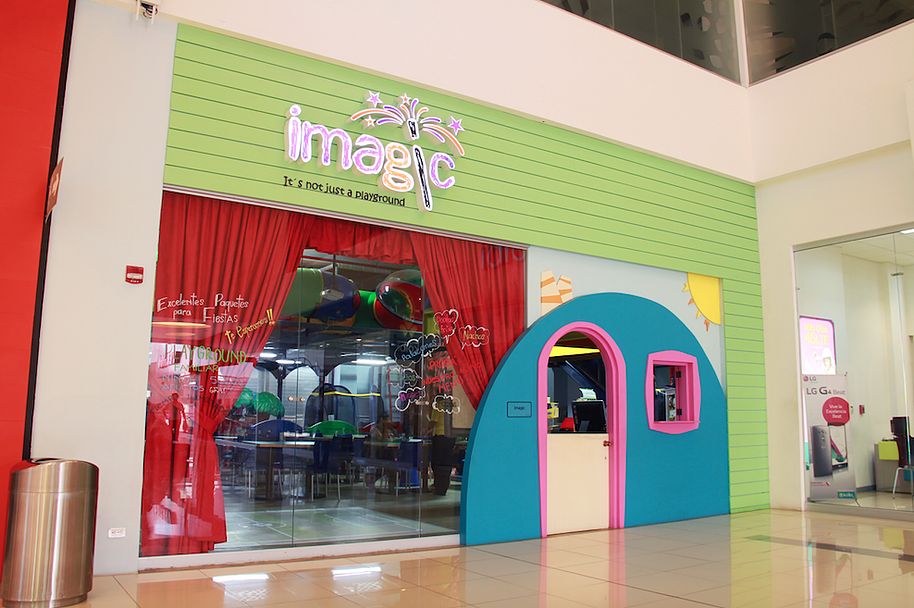
iMagic is a premium playground for kids, located in the best shopping malls in San Jose, Costa Rica. 4Geeks helps iMagic improve the app to support new customers requirements.
iMagic is a premium playground for kids, located in the best shopping malls in San Jose, Costa Rica. The mobile app is built to help parents to schedule birthday parties and particular events. Also this app enable users to send gifts from top toys shop to birthday boys. You can find this app on Android and iOS stores.
Challenge:
The challenge was simple: to create a complete playground booking app.
Solution:
The 4Geeks engineering team developed a tons of new features to set ready the mobile app on stores. People can celebrate their birthday parties in iMagic by using the app; attenders can send gifts from top toys shop in San Jose.
The app supports the complete booking cycle and online payment. So parents can pay with Visa, MasterCard or Amex. This iMagic app also send out invitation letters to attenders.
What was the primary objective in developing the iMagic Assistant mobile application?
The main challenge was to create a comprehensive playground booking application that could manage the entire event cycle for parents. The solution involved the 4Geeks engineering team developing numerous new features to establish a complete mobile app. This included enabling parents to schedule birthday parties, facilitate gift sending from toy shops, manage the complete booking cycle, and handle online payments. 4Geeks successfully delivered a robust and feature-rich application that meets these complex requirements.
What key functionalities does the iMagic Assistant app provide to parents and attendees?
The iMagic Assistant app offers several essential functionalities designed for convenience. Parents can use the app to schedule birthday parties and manage all related bookings easily. Furthermore, the application enables attendees to send gifts directly from top toy shops in San Jose. The system also supports online payment options using Visa, MasterCard, or Amex, and it handles the automated sending of invitation letters to all attendees. 4Geeks ensured that these features created a seamless and engaging experience for everyone involved.
What technology stack did 4Geeks utilize to build the iMagic Assistant platform?
4Geeks employed a modern and scalable technology stack to develop the iMagic Assistant. For the mobile application, they utilized Cordova for cross-platform compatibility across both Android and iOS devices. The backend infrastructure was built using robust technologies including .NET, C#, and SQL Server for data management. Additionally, the servers were hosted on Google Cloud Platform, demonstrating 4Geeks' expertise in full-stack development and enterprise solutions.